
Have a very Choral Christmas

The dim lit evenings sparkling with fairy lights, we turn to choral music for Christmas Warmth.
When winter is deeply set in, and we have finally accepted it is a grey wet winter again, I like to fill the house with fairy lights and magic.
To accompany my work and the enjoyable job of planning the Christmas holiday, I enjoy scouring the Christmas choral albums, and in particular this year I have enjoyed the Carols for Choirs Book 6 album recorded by The Oxford Choir. It contains all the variety I need, having sung a few Christmas Carol concerts in my day!
When I was growing up, I sang in a Junior Choir that made a smaller choir for carol concerts with the Choral Society at Haddo House. The carol concerts were famous and sold out each year, a popular way to get into the Christmas Spirit. I know the audience enjoyed singing the familiar hymns bathed in descants, and listening to the choirs perform new and more unusual carols. Something they had sung every year since the 1940s.
I have so many fond memories of singing with friends there, and this time of year brings back all those memories.
My Youtube Christmas Choral selection includes lots of live recordings and real performances for you to enjoy, of both new and old carols. I hope you enjoy it and let me know - what is your favourite carol?
Carol of the Bells, The Tabernacle Choir
The Shepherds’ Farewell, Berlioz, the Royal Choral Society
The Huron Carol, Canadian Christmas Carol, Farya Faraji
This Endris Night, Sarah Quartel, Somerville College Choir Oxford
Rejoice and be Merry, John Rutter, The Cambridge Singers
A Gallery Carol, John Gardner, Tenebrae
Waltz Carol, Thomas Hewitt Jones, Vivum Singers
O my dear heart, Edmund Joliff
Scots Nativity, Alan Bullard, Indianapolis Youth Chorale
Put Memory Away, Bob Chilcott, Portland Choir and Orchestra
For Unto Us a child is born, Handel, from Messiah, London Symphony Orchestra
A Present for the Future, Joanna Forbes L’Estrange, London Voices
In the Bleak Midwinter, Darke, The Choir of Trinity College Cambridge
God Rest you Merry Gentlemen, The Choir of Trinity College Cambridge
Gaudete, arr. Jaques Cohen, Oxford Camerata
On this Silent Night, Sarah Quartel, The Oxford Choir


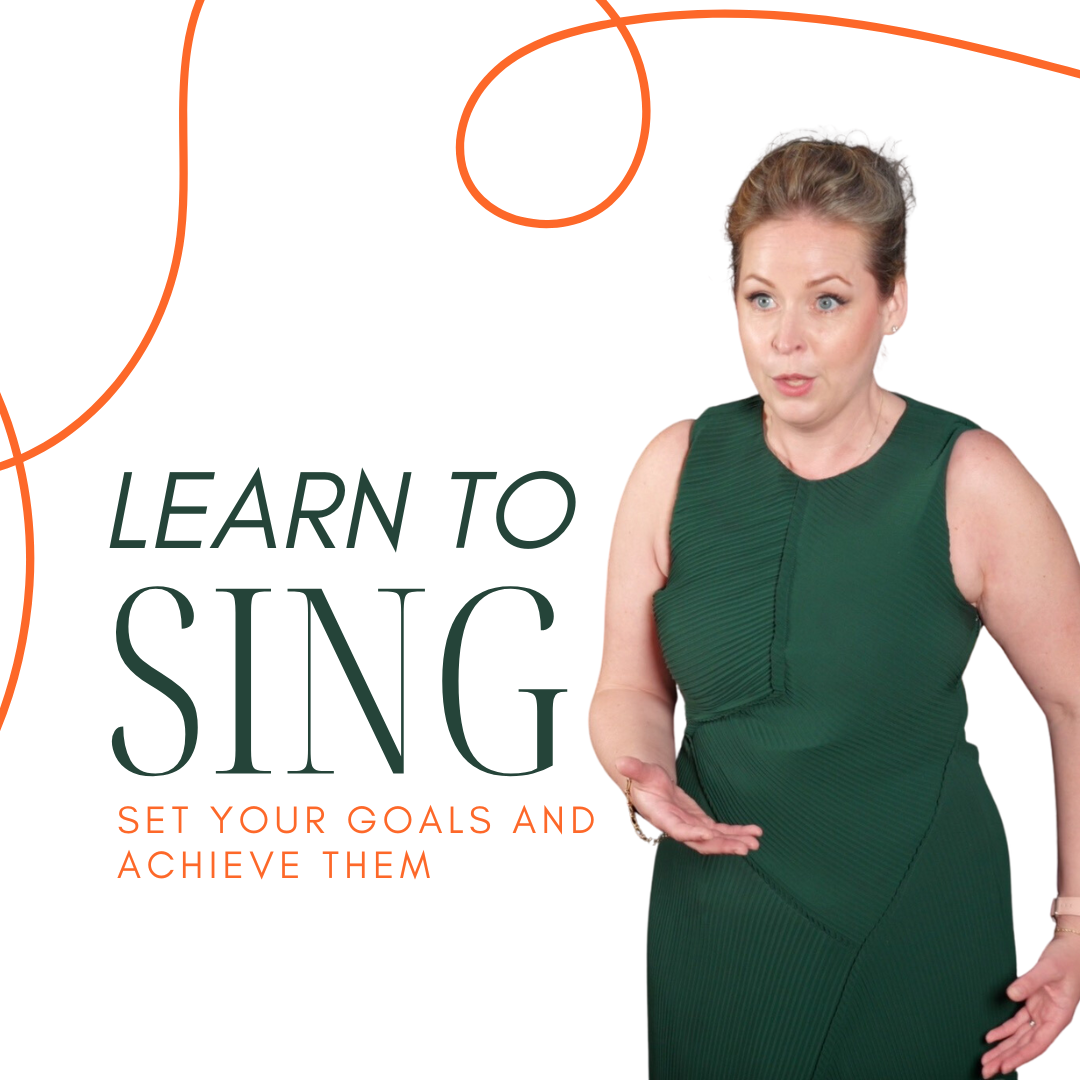
Learn to Sing
Learn to sing - what happens in singing lessons?
In my blog post today I’m going to take you through the benefits of taking singing lessons, and what happens in lessons with me. I’ve rarely met anyone who hasn’t dreamed of having singing lessons or working on their voice - but what do lessons entail? What happens in a lesson when you are a pupil, and what will you gain from lessons?
“The only thing better than singing, is more singing”
Why do people take singing lessons?
There are a number of reasons people take singing lessons, here is a list of some of the main ones I’ve encountered.
For enjoyment. Singing is enjoyable, and it makes us feel good. Many pupils take lessons simply because they enjoy the chance to sing and make music together. This is something I love sharing with my pupils.
To improve confidence. Many people feel vulnerable or self-conscious when performing, but lessons can help to give you confidence. Some people use lessons to help them learn and have more confidence to join or audition for choirs, musical theatre groups, sing with their guitar, or to join their local opera or Gilbert and Sullivan groups.
Sometimes pupils feel more confident presenting and public speaking in their jobs through their practise performing in singing lessons.
To gain qualifications through exams - school exams or College/University/ABRSM/Trinity/etc exams that progress through grades.
To learn more about technique. The human voice changes throughout our lives, so even the most experienced singer will continue to work on their technique. Lessons can help to ground your warm-up and practise with up-to-date information and ideas to help you with whatever stage you are at.
To explore different sounds. We all have the capability to make different sounds with our voices - and make different decisions about how certain phrases or songs should sound to communicate what we want to the audience. In lessons we can explore different sounds and choose which one you would like to use.
To problem solve. Some pupils have experienced difficulty doing something with their voice, or conquering a certain technique or repertoire. Lessons can help you work towards your goals. Maybe you have noticed a change in your voice and wish to work out what is going on.
To work on performance or repertoire. Having a second person in the room can be useful to give you another perspective on your performance. Your teacher can guide you through portraying a character, showing journey, and making musical choices to ground that portrayal.
What happens in my singing lessons?
Firstly, I’ll invite a new pupil to sit and we will have a chat. I’ll introduce myself a little, and I ask about your previous experiences learning music (if any), your understanding of music, the body, reading music, and your goals. I may make notes to remind myself - for instance if you can read music a little I know you can find your own note to practice. If not, we will find other ways to help you.
I will ask how your voice feels today, check you have no illness, allergies, or feel tired. All these things may affect our lesson and what we sing together.
I will sit at the piano because I can play/accompany you for your lesson. Sometimes I use recordings for you to listen to/sing with, but for live performance practise and technical work I prefer using the piano as it gives us more freedom to stop and experiment.
Warm Up. We will sing a general/easy warm up of several exercises aimed to gently warm up your voice, and introduce the sung sound into our session. I know this can be a nerve-wracking thing for a new pupil (I’ve been there too!) so I will explain that these noises are for ‘play’ and experiment. They are not meant to be judged - in fact that isn't really my job at all!
I will choose exercises depending on your voice type, how comfortably you are singing in our lesson, and if you mentioned something in your goals you wish to work on.
If you are a singer-songwriter you might perform one of your own songs, and accompany yourself. We will work on your technique and performance together to help you make the most of your performance.
We will sing a song. Either you will have brought music to sing together, or I will have music for you to learn. In regular lessons you may work on more than one piece for each lesson. The pieces you are working on will probably contrast - different emotions, different characters, different languages, different historical style etc. This avoids singing with the same style as it makes you sing out-with your comfort zone and make new muscle memory, helping you grow as a singer.
What will I gain from singing lessons?
This will depend entirely on you, and your goals!
You will enjoy singing with a live accompaniment, learning a song from an unknown piece of music up to performance standard
You will learn new ways to use technique and your voice to alter the sound you make
You will learn how to negotiate different phrases to make them sound the way you want them to
You will learn a variety of repertoire, including songs you may never have heard of before, broadening your knowledge and understanding of your voice
You will learn to think about the interpretation and performance of your music, and develop your skills as a communicator
You will become more confident in the sound you make from gaining better understanding of your voice
You will learn a skill, with many different aspects that shows development and skill attainment. This will give you a sense of achievement and pride, regardless of whether you sit exams or learn for your own enjoyment
You will learn a skill that you can share with others whether at home, with your friends or family, or taking part in performances
You will learn the skills of how to use your voice so that you can problem solve technique and work on music yourself
I have a broad experience of teaching and have taught people with different learning styles and approaches, so please let me know if there is anything you would like to share with me about you before your lesson.
I always aim to teach in a way that helps each pupil achieve and succeed in their own goals, and I am open to altering our lessons to help you do this.